Is IFSC and SWIFT Code Same? Let’s Decode This Financial Mystery!
Personal Finance
22 July 2025
DNBC Team
This article is a part of DNBCGroup Blog Center
Contact DNBCGroup for the technology news, tips, trends, and updates.
Ever felt like the world of banking is a secret club with cryptic codes and secret handshakes? Well, you’re not alone. A lot of people scratch their heads and wonder: Is IFSC and SWIFT Code the same thing? Spoiler alert—they’re not! But don’t worry, we’re here to bust the jargon, sprinkle in a bit of humor, and help you navigate your banking journey. And hey, if you’re looking for a smooth banking experience, remember you can always open an account with DNBC to make your financial life easier!

What is an IFSC Code? The Domestic Secret Sauce
Picture this: you’re sending money to your cousin in Mumbai to pay for that infamous wedding DJ who plays remixes of everything—even the wedding vows. To make sure the money lands in the right account, you’ll need an IFSC code.
So, what exactly is it?
- IFSC stands for Indian Financial System Code.
- It’s used for domestic transfers in India, like NEFT, RTGS, and IMPS.
- It’s an 11-character alphanumeric code, e.g. HDFC0001234.
- It tells your bank’s system exactly where the money should go.
Think of the IFSC code as the postal code for your bank branch. It ensures your money isn’t wandering around India like a tourist without Google Maps. And speaking of clarity and easy banking, DNBC’s services can help you keep your payments as precise as your wedding playlists.
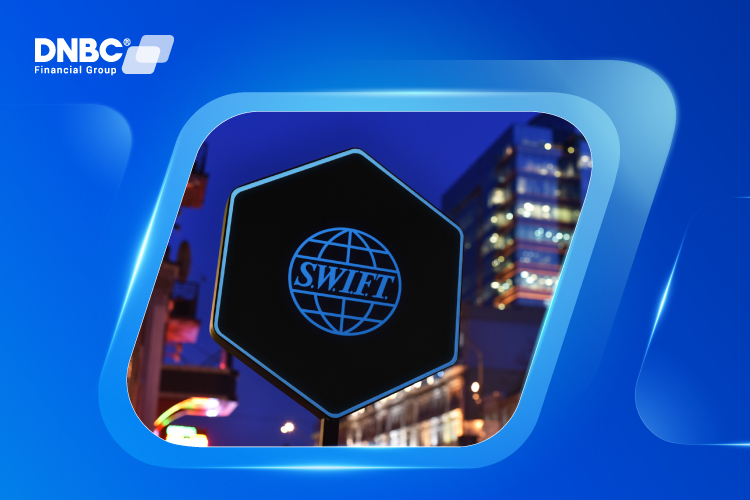
What is a SWIFT Code? The International VIP Pass
Now let’s jet-set across borders. Suppose you’re sending money to your friend in France so they can buy you authentic croissants because, let’s be honest, the supermarket ones just aren’t cutting it. For this international transfer, you’ll need a SWIFT code.
Here’s the lowdown:
- SWIFT stands for Society for Worldwide Interbank Financial Telecommunication.
- It’s also known as a BIC (Bank Identifier Code).
- It’s used for international transactions.
- SWIFT codes are typically 8 or 11 characters long, e.g. HDFCINBBXXX.
Think of the SWIFT code as your bank’s global passport. It ensures that when your money travels internationally, it ends up in the right bank, not accidentally in someone else’s account in Switzerland. And if international transactions feel intimidating, DNBC is here to make your cross-border transfers smooth and efficient. Just saying!
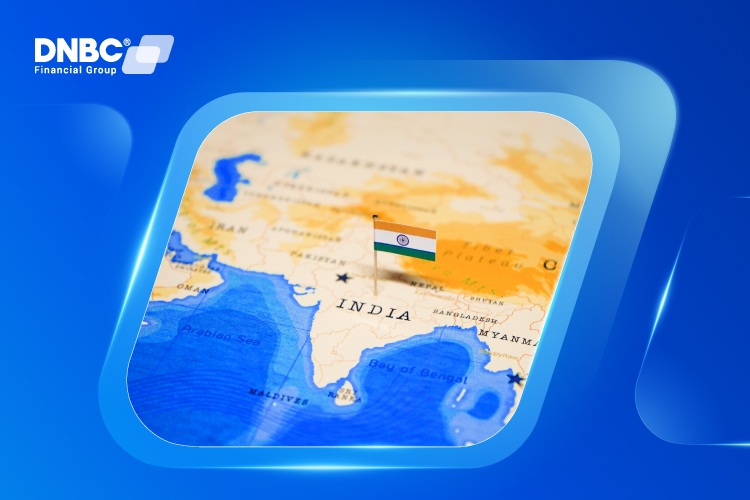
IFSC and SWIFT Code: The Key Differences Explained
So, is IFSC and SWIFT Code the same? Not even close, my friend. Let’s break it down in a way that’s easier than deciding whether pineapple belongs on pizza (for the record, we’re not taking sides).
- Geography:
- IFSC = India only
- SWIFT = Global playground
- Usage:
- IFSC = Domestic transfers within India
- SWIFT = International money transfers
- Format:
- IFSC = 11 alphanumeric characters
- SWIFT = 8 or 11 characters, often letters and numbers
- Regulatory bodies:
- IFSC = Managed by Reserve Bank of India (RBI)
- SWIFT = Overseen by SWIFT cooperative headquartered in Belgium
In short, IFSC is your local guide for sending money within India, while SWIFT is your international travel agent. And if you’d rather not juggle all these codes yourself, DNBC offers multi-currency accounts that help you handle domestic and international transactions effortlessly.
Are IFSC and SWIFT Codes Interchangeable? Not Quite.
Here’s a fun fact: trying to use an IFSC code for an international transfer is like trying to use your library card as a passport. It’s simply not going to work!
IFSC and SWIFT codes are not interchangeable because:
- IFSC codes only identify branches in India for domestic transfers.
- SWIFT codes identify banks globally for international transfers.
So, always check what your transaction requires. And if you’d rather leave the banking codes to the pros, DNBC is ready to help you send money across the globe with fewer headaches than trying to pronounce “société” in French.
When Should You Use IFSC vs. SWIFT Codes?
Let’s keep it practical:
- Use IFSC:
- Sending money within India
- NEFT, RTGS, IMPS payments
- Domestic bill payments
- Use SWIFT:
- Sending money abroad
- Receiving money from overseas
- International business payments
Basically, if you’re moving money around India, IFSC is your friend. If you’re crossing borders, SWIFT is your wingman. And if you’d rather not worry about either, DNBC’s global payment solutions let you handle your finances seamlessly, no matter where you’re sending funds.
How to Find Your Bank’s IFSC and SWIFT Codes (Without Losing Your Mind)
Now that you know IFSC and SWIFT codes aren’t the same, how do you actually find them?
- IFSC Codes:
- Printed on cheque books
- Available on bank statements
- Published on your bank’s official website
- SWIFT Codes:
- Listed on your bank’s website
- Available on SWIFT’s online directory
- Provided by bank customer service
One piece of advice: never trust random internet listings for banking codes—unless you enjoy living dangerously. Always confirm with your bank. And if dealing with codes makes you want to scream into a pillow, remember DNBC offers personalized support to guide you through your banking needs. No code-cracking required!
Frequently Asked Questions About IFSC and SWIFT Codes
Can I send money abroad with just an IFSC code?
Nope! IFSC codes are only for domestic transfers in India. For international transfers, you’ll need the SWIFT code. Or, you could just open an account with DNBC and let us handle the details!
Do all Indian banks have SWIFT codes?
Not necessarily. Only branches that handle international transactions have SWIFT codes. DNBC, on the other hand, offers solutions for international transfers regardless of where you’re banking.
Is SWIFT code mandatory for domestic transfers?
Nope again! SWIFT codes are strictly for international transactions. Within India, IFSC is your hero.
Are IFSC codes unique to each branch?
Yes! Each bank branch has its own IFSC code so money reaches the right spot. Think of it like a house number for your bank branch.
How long are SWIFT codes?
They’re usually 8 or 11 characters. Eight identifies the bank and country, while the extra three pinpoint the branch.
Conclusion: Know Your Codes, Rule Your Money!
So, is IFSC and SWIFT Code the same? Definitely not! They’re different tools for different banking jobs—one local, one global. Knowing the difference means fewer headaches and smoother transactions.
And if all these codes feel like trying to remember every cousin’s name at a big family wedding—relax. DNBC is here to help you manage domestic and international payments with ease, whether you’re sending money next door or halfway around the world.
Ready to keep your money moving safely and smoothly? Open your account with DNBC today and let’s make your financial journey as effortless as possible—minus the confusing acronyms!
Your Trusted Partner
In your Digital
Journey
Free 1 - on -1 support
Free account opening fees
No hidden fees

Note: The content in this article is for general informative purposes only. You should conduct your own research or ask for specialist advice before making any financial decisions. All information in this article is current as of the date of publication, and DNBC Financial Group reserves the right to modify, add, or remove any information. We don’t provide any express or implied representations, warranties, or guarantees regarding the accuracy, completeness, or currency of the content within this publication.
Related posts

Important Update: Notice regarding mandatory annual account reviews and compliance fees.
28 February 2026
Difference Between Transit Code and SWIFT Code: Explained Simply
01 October 2025
Swift Code vs Routing Number: What You Really Need to Know
01 October 2025
How to Use a Transit Code for Smooth Transfers
01 October 2025

What Happens If Someone Has Your BSB and Account Number?
01 October 2025