Everything to Know About the Fed Reference Number
Personal Finance
12 August 2025
DNBC Team
This article is a part of DNBCGroup Blog Center
Contact DNBCGroup for the technology news, tips, trends, and updates.
When you're dealing with wire transfers, especially those involving large sums, you may come across a term that sounds like it belongs to a top-secret financial operation: Fed Reference Number. But don’t worry, it’s not as mysterious as it sounds! In this article, we’ll dive into the details of what a Fed Reference Number is, how it works, and why it’s important for your financial transactions.
What Is a Fed Reference Number?
Let’s break it down: a Fed Reference Number (also known as a Federal Reference Number or IMAD/OMAD number) is a unique identifier used in the U.S. Federal Reserve’s wire transfer system. It’s like the tracking number on a package, but for money. So, when you send or receive a wire transfer through the Fedwire system, a Fed Reference Number is created to ensure that everything runs smoothly.
This number helps banks, businesses, and even individuals track funds, resolve disputes, and keep their financial operations running like a well-oiled machine. You might not think much of it when you send a wire, but it’s a key part of making sure your money gets from Point A to Point B. Unlike parcel tracking numbers, Fed Reference Numbers don’t provide real-time tracking for consumers. You’ll need your bank’s help to trace a transaction using this number.

How Is a Fed Reference Number Created?
Just like a well-organized librarian putting your book on the right shelf, a Fed Reference Number is assigned at the moment a wire transfer is initiated. Each transfer gets its very own number—no repeats allowed! These numbers generally consist of around 16 to 22 characters, including the date, a bank-specific identifier, and a unique sequence number. Think of it as a combination of your wire’s DNA that helps the Fed keep track of it throughout its journey.
The Fed Reference Number might look something like this: 20230807AB123456789—simple, right? This format allows everyone in the financial world to keep things neat and tidy, ensuring that no wire ever gets lost in the shuffle.
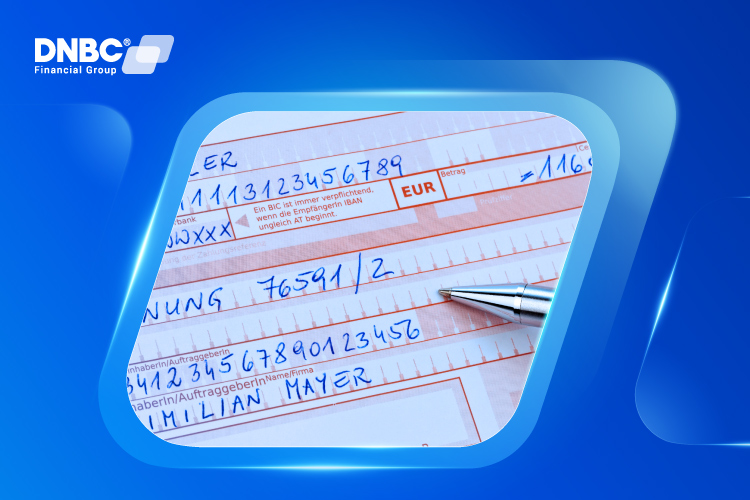
IMAD vs OMAD: What’s the Difference?
Ah, now we’re getting into the nitty-gritty! There are two types of Fed Reference Numbers: IMAD and OMAD. What’s the difference, you ask? Well, IMAD is used for incoming messages (like when you receive a wire transfer), and OMAD is used for outgoing messages (like when you send a wire). Both types are used to track the wire’s journey through the Fedwire system.
To make it a little clearer, think of IMAD as the “receiver” and OMAD as the “sender” of the Fed Reference Number world. They’re like the Batman and Robin of wire transfer tracking. Without them, things could get really confusing, really fast!
While both IMAD and OMAD are generated, you may only see one depending on whether your bank is sending or receiving the wire.

Why Is the Fed Reference Number Important?
You might be thinking, “Okay, so it’s just a number, what’s the big deal?” Well, here’s where the magic happens. The Fed Reference Number is essential for tracking your wire transfers. It’s like your personal VIP pass to getting your funds to the right place at the right time.
Let’s say you sent a wire and a few days later, your recipient is still waiting for it. You’d probably want to get to the bottom of that, right? That’s where the Fed Reference Number comes in handy. It helps both banks and individuals trace wires, investigate delays, and resolve any hiccups in the process. If there’s a problem with your transfer, your bank can use the Fed Reference Number to quickly find the source of the issue and get things back on track. It’s like having a financial GPS!
It’s Not Just for Troubleshooting
The Fed Reference Number isn’t only used to fix problems. It also helps with reconciliation and auditing. If you're running a business (or managing your personal finances), keeping track of all your wire transfers can get complicated fast. But with the Fed Reference Number, you can reconcile your accounts and ensure that every dollar is where it should be.
So, whether you're running a multi-million-dollar operation or just sending money to a friend, that little number is your best friend when it comes to managing your funds.

How to Use a Fed Reference Number
Alright, now you know what the Fed Reference Number is and why it’s important. But how do you use it? Simple! When you send or receive a wire transfer, you’ll find the Fed Reference Number on the confirmation receipt or statement. It’ll typically be labeled as “Fed Number” or “Federal Reference Number.”
If there’s an issue with your transfer, or if you need to track the status, all you need to do is provide the Fed Reference Number to your bank or financial institution. It’s like handing over the keys to your financial vehicle—ensuring that everything runs smoothly from start to finish.
Here’s a Quick Tip
Keep that Fed Reference Number handy! You never know when you might need it to resolve an issue or track a wire. It's always a good idea to keep a record of it, especially if you're making a large transaction or one that’s time-sensitive.
Fedwire and the Broader Payments System
The Fed Reference Number plays a crucial role in the broader payments system, specifically the Fedwire Funds Service. This system is used by U.S. banks, businesses, and even government agencies to handle real-time, large-value transactions. And just like in any good team, the Fed Reference Number is a key player that keeps everything organized and running smoothly.
With the Fedwire system handling trillions of dollars each year, the Fed Reference Number is essential for ensuring that everything remains on track, without any confusion or mix-ups. It’s one of those behind-the-scenes heroes in the world of finance.
Conclusion
Now that you’re a Fed Reference Number pro, it’s time to use this knowledge to your advantage. Whether you’re sending a large domestic wire in the U.S. or reconciling a transaction that passed through Fedwire before reaching an international destination. And if you want to keep things extra smooth, why not consider opening an account with DNBC? With DNBC’s easy-to-use platform, you’ll have access to a wide range of financial services, including wire transfers that come with all the right reference numbers.
So, the next time you make a wire transfer, you can rest easy knowing your Fed Reference Number is there to keep things in check—and if anything goes wrong, DNBC is just a click away to help you sort it out. Happy transferring!
Your Trusted Partner
In your Digital
Journey
Free 1 - on -1 support
Free account opening fees
No hidden fees

Note: The content in this article is for general informative purposes only. You should conduct your own research or ask for specialist advice before making any financial decisions. All information in this article is current as of the date of publication, and DNBC Financial Group reserves the right to modify, add, or remove any information. We don’t provide any express or implied representations, warranties, or guarantees regarding the accuracy, completeness, or currency of the content within this publication.
Related posts

Important Update: Notice regarding mandatory annual account reviews and compliance fees.
28 February 2026
Difference Between Transit Code and SWIFT Code: Explained Simply
01 October 2025
Swift Code vs Routing Number: What You Really Need to Know
01 October 2025
How to Use a Transit Code for Smooth Transfers
01 October 2025

What Happens If Someone Has Your BSB and Account Number?
01 October 2025