Do Banks Refund Scammed Money? Know Your Rights
Personal Finance
22 July 2025
DNBC Team
This article is a part of DNBCGroup Blog Center
Contact DNBCGroup for the technology news, tips, trends, and updates.
Ever wondered, do banks refund scammed money? Scams are like those uninvited party crashers—you didn’t invite them, they wreck the place, and now you’re stuck cleaning up. The short and sweet answer: sometimes they do, sometimes they don’t. But before you assume the worst, let’s walk through how it actually works, with a dash of humor and a big nod to DNBC for those who want extra peace of mind.
Do Banks Refund Scammed Money for Unauthorized Transactions?
Picture this: someone hacks into your account and siphons off funds without your knowledge. That’s an unauthorized transaction. Legally, in the U.S., consumers enjoy solid protection under Regulation E of the Electronic Fund Transfer Act. Report the fraud within two business days, and your maximum liability is just $50. Wait up to 60 days after your bank statement arrives? Liability jumps to $500, and after that, you might be out of luck .
In short, do banks refund scammed money in these cases? Yes—if you're quick and play by the rules. Your bank must provisionally refund the stolen amount while they investigate .
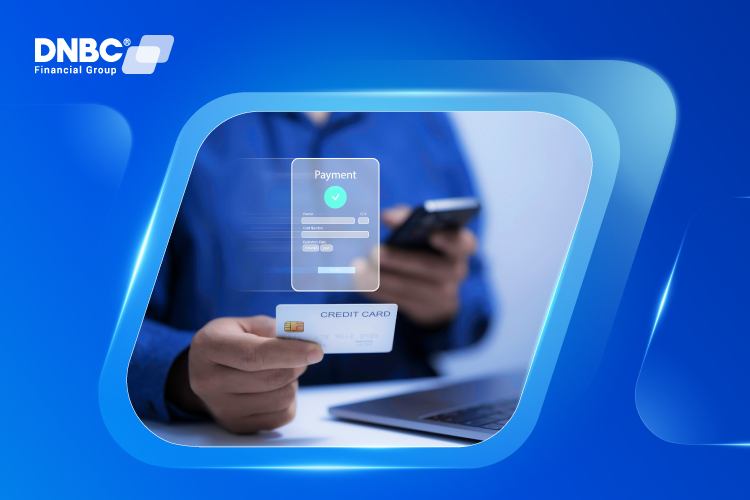
Do Banks Refund Scammed Money in Authorized Push Payment (APP) Fraud?
Now, let’s talk about APP fraud—that’s a fancy term for when you willingly send money…but the person on the other end is a scammer. They pose as a legit entity, but once you hit “send,” your money’s gone—poof!
In the U.S., you won’t find automatic protection. Banks evaluate these on a case-by-case basis, and unfortunately some blame the victim . Meanwhile, the Consumer Financial Protection Bureau is actively watching how banks reimburse Zelle scam victims .
Over in the U.K., things are tightening. Since October 7, 2024, banks must refund victims—unless you were grossly negligent—with a cap of £85,000 . UK banks have been slow to get there, with only about 67% of funds returned in 2023—but better late than never, right? .

Factors That Affect Whether Banks Refund Scammed Money
Let’s break it down like a pro:
- Speed is everything. Quick reporting improves your chances dramatically.
- Payment type matters. Credit cards enjoy FCBA protection; debit cards fall under Reg E; APP scams get murkier.
- Customer behavior counts. Sharing passwords or ignoring warnings? That’s gross negligence, and it can block your refund.
- Bank policy & jurisdiction. U.S. and U.K. laws differ, and each bank has its own fraud-handling playbook .
Real-Life Examples & Industry Stats
So, do banks really refund scammed money? You bet—but results vary. In the U.K., banks like TSB and Nationwide covered nearly 90–95% of APP fraud losses in 2023, while Monzo and AIB lagged at under 20% . Overall, refunds for APP scams hover around 67%—improving, but still leaving many out in the cold .
In the U.S., the picture is mixed. Banks are refunding some Zelle “impersonation” scams, but recovery isn't guaranteed . On a positive note, a consumer reporting their Wells Fargo scam case in TIME eventually got refunded after the media highlighted her story .
Step-by-Step Guide: What to Do Immediately After a Scam
Here’s your fraud-fighting checklist:
- Document everything—screenshots, messages, receipts.
- Alert your bank immediately—use the official hotline or app.
- Freeze/close compromised accounts and change your passwords.
- Follow up regularly—get confirmation of investigations and provisional credits.
- Escalate if needed—approach regulators or small-claims court; seek legal advice if the loss is hefty.
These steps seriously boost your chances of a refund—and if you open an account at DNBC, you get personalized guidance and proactive fraud prevention tools built right into your experience.

What If the Bank Refuses to Refund?
Chalk it down to common reasons: late reporting, authorized payment, or your own negligence. Don’t give up! Here’s what you can do:
- Appeal internally. Request a formal review or escalation.
- Contact regulators. File complaints with the CFPB or Financial Ombudsman.
- Small-claims court or legal action. Especially for bigger thefts.
And here’s another plug: opening an account at DNBC means you’re never alone—our team is ready to help you through disputes, investigations, and recovery requests.

Preventing Scams Is Better Than Recovery
Let’s make sure this never happens again:
- Use strong, unique passwords and activate two-factor authentication.
- Watch for phishing—don’t click strange links or verify texts randomly.
- Monitor account activity daily and set real-time fraud alerts.
- While DNBC does not fall under U.S. or U.K. consumer banking regulations, it delivers global clients robust digital banking services with anti-fraud safeguards and personalized dispute assistance. For anyone seeking added protection across borders, DNBC is a trusted ally in today’s financial landscape.
As they say, an ounce of prevention is worth a pound of cure. Or in banking terms: saving one bad transaction is worth way more than an uncertain refund.
Conclusion
So, do banks refund scammed money? Often—but not always. For unauthorized transactions, yes—if you act fast and follow the rules. For APP scams, the landscape is more mixed. UK rules are improving, while U.S. options are evolving.
The message? Stay vigilant, know your rights, and report issues immediately. And if you want to level up your protection, open an account at DNBC. You get a proactive partner ready to help you fight fraud before it even happens—plus smooth, global transfers with a smile.
Remember: you can’t always stop scammers. But with DNBC in your corner, you can make it a whole lot harder for them to win.
Your Trusted Partner
In your Digital
Journey
Free 1 - on -1 support
Free account opening fees
No hidden fees

Note: The content in this article is for general informative purposes only. You should conduct your own research or ask for specialist advice before making any financial decisions. All information in this article is current as of the date of publication, and DNBC Financial Group reserves the right to modify, add, or remove any information. We don’t provide any express or implied representations, warranties, or guarantees regarding the accuracy, completeness, or currency of the content within this publication.
Related posts
Difference Between Transit Code and SWIFT Code: Explained Simply
01 October 2025
Swift Code vs Routing Number: What You Really Need to Know
01 October 2025
How to Use a Transit Code for Smooth Transfers
01 October 2025

What Happens If Someone Has Your BSB and Account Number?
01 October 2025

Sending Money from Australia to New Zealand: A Complete Guide
01 October 2025