Difference Between Transit Code and SWIFT Code: Explained Simply
Personal Finance
01 October 2025
DNBC Team
This article is a part of DNBCGroup Blog Center
Contact DNBCGroup for the technology news, tips, trends, and updates.
If banking codes ever made you feel like you’re trying to crack a secret spy message, you’re not alone. Between account numbers, IBANs, routing numbers, and these mysterious things called transit codes and SWIFT codes, it’s easy to get confused. But don’t worry—we’re about to make sense of it all.
Today we’ll break down the difference between transit code and SWIFT code, why they’re not the same thing, and when you actually need each one. Spoiler alert: one helps you move money around locally, while the other is your passport for sending money across borders. And if you want a simple way to avoid mix-ups? Opening an account with DNBC might just be your best move.
What is a Transit Code?
A transit code (also called a branch transit number) identifies a specific bank branch for domestic transfers. It tells the banking system exactly which branch you’re dealing with when you make a transfer or set up a direct deposit.
- Structure: In Canada, a transit code is a 5-digit number. In the U.S., banks use a 9-digit ABA routing number instead of a separate transit code.
- Purpose: Used for domestic transactions—things like receiving a paycheck, paying bills, or transferring money to another account within the same country.
- Where You’ll See It: On your checks, in your online banking portal, or in your bank account details.
Think of the transit code as your neighborhood pizza shop’s phone number. If you want to order locally, that’s the number you dial. But if you’re trying to order pizza from another country, well, good luck without an international code. That’s where SWIFT comes in.
What is a SWIFT Code?
A SWIFT code (which stands for Society for Worldwide Interbank Financial Telecommunication) is the global identifier for banks. If the transit code is a local phone number, then the SWIFT code is the international dialing code that gets your call (or money) to the right country, the right bank, and even the right branch.
- Structure: Usually 8 to 11 characters, made up of letters and numbers. Each part identifies the bank, the country, and sometimes the branch.
- Purpose: SWIFT codes are required for most international transfers, except in some regions like SEPA (Europe) where only an IBAN is needed.
- Example: BOFAUS3NXXX (Bank of America, New York).
So if you’re sending money overseas, your bank will ask you for the recipient’s SWIFT code. And if you’re with DNBC, you’ll find this process smooth, straightforward, and hassle-free—no confusing detours.
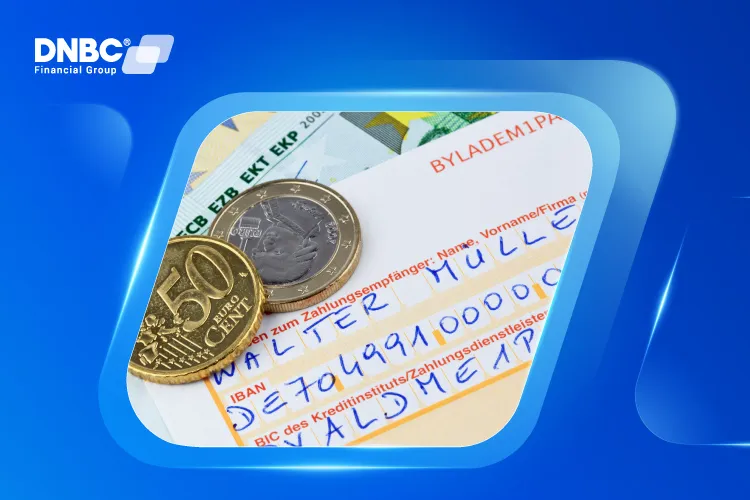
Difference Between Transit Code and SWIFT Code
Alright, let’s put them side by side.
Geographic Scope
- Transit Code: Domestic only (mainly used in Canada; in the U.S., the ABA routing number serves this role).
- SWIFT Code: International—used by banks all around the globe.
Structure
- Transit Code: Typically 5 digits in Canada, or part of a 9-digit routing number in the U.S.
- SWIFT Code: 8–11 alphanumeric characters.
Purpose
- Transit Code: Directs money to a specific branch inside a country.
- SWIFT Code: Directs money to the correct bank worldwide.
Examples
- Transit Code: Needed when your employer sets up direct deposit in Canada.
- SWIFT Code: Needed when you transfer funds to Europe or Asia.
So, the difference between transit code and SWIFT code really comes down to location. One handles your money within your country, the other makes sure it travels safely abroad.

Why Do People Confuse Them?
Both are “bank codes,” and let’s be honest—they don’t exactly come with user-friendly names. Many people assume they’re interchangeable, but they belong to totally different systems.
- Transit codes are like street addresses—useful for local navigation.
- SWIFT codes are like airport codes—necessary for global travel.
Mix them up, and your transfer could end up delayed, rejected, or simply stuck in limbo. That’s why DNBC is here to guide you—we make sure you use the right code for the right job, every single time.
How to Find Your Transit Code and SWIFT Code
- Transit Code: Look at your checks (the numbers printed at the bottom), log into your bank’s online portal, or call your branch.
- SWIFT Code: Check your bank’s website, look at your account statement, or ask customer service.
With DNBC, you won’t need to play detective. We provide clear instructions and details in your account dashboard so you always know which code to use.
Transit Code vs SWIFT Code: Quick Comparison Table
Feature | Transit Code | SWIFT Code |
Usage | Domestic transfers | International transfers |
Structure | 5 digits (Canada) or part of 9-digit routing number | 8–11 alphanumeric |
Issuer | National banking system | SWIFT Network |
Scope | Local branch ID | Global bank ID |
This table makes the difference between transit code and SWIFT code crystal clear: one works at home, the other takes you abroad.
Why This Matters for Cross-Border Payments
Here’s the truth: the financial system doesn’t forgive small mistakes. If you use a transit code instead of a SWIFT code for an international transfer, your money isn’t going anywhere fast. On the flip side, if you’re setting up a paycheck in Canada, a SWIFT code won’t help.
That’s why DNBC specializes in simplifying the process. We take the guesswork out of international and domestic transfers. With competitive fees, multi-currency support, and a user-friendly platform, DNBC ensures your money always gets to the right place—whether it’s across the street or across the world.
Conclusion
So, what’s the real difference between transit code and SWIFT code?
- Transit codes (or their equivalents, such as sort codes in the UK or IFSC codes in India) are used for local, domestic banking.
- SWIFT codes are for international transfers.
- They’re not interchangeable, and using the wrong one could cause delays.
The bottom line: Transit code = local. SWIFT code = global. Easy enough, right?
But here’s the best part—you don’t have to remember every detail if you bank with DNBC. We handle the tricky codes, guide you through every transfer, and ensure your money moves where it’s supposed to go. Why stress about codes when DNBC can simplify it all for you?
FAQs About Transit Codes and SWIFT Codes
Is a transit code the same as a routing number?
In Canada, a transit code is a 5-digit branch identifier. In the U.S., there is no separate transit code—banks use a single 9-digit ABA routing number instead.
Do I need a transit code for international transfers?
No—you’ll need a SWIFT code (and sometimes an IBAN). Transit codes are only for domestic transfers.
Can I use a SWIFT code for local payments?
Nope! SWIFT codes are only for global transactions. For local payments, you’ll need a transit code or routing number.
What happens if I use the wrong code?
Your transfer may fail, bounce back, or get delayed. With DNBC, we help you avoid mistakes by providing the correct details.
Your Trusted Partner
In your Digital
Journey
Free 1 - on -1 support
Free account opening fees
No hidden fees

Note: The content in this article is for general informative purposes only. You should conduct your own research or ask for specialist advice before making any financial decisions. All information in this article is current as of the date of publication, and DNBC Financial Group reserves the right to modify, add, or remove any information. We don’t provide any express or implied representations, warranties, or guarantees regarding the accuracy, completeness, or currency of the content within this publication.
Related posts

Important Update: Notice regarding mandatory annual account reviews and compliance fees.
28 February 2026
Swift Code vs Routing Number: What You Really Need to Know
01 October 2025

How to Use a Transit Code for Smooth Transfers
01 October 2025

What Happens If Someone Has Your BSB and Account Number?
01 October 2025

Sending Money from Australia to New Zealand: A Complete Guide
01 October 2025