What Happens If Someone Has Your BSB and Account Number?
Personal Finance
01 October 2025
DNBC Team
This article is a part of DNBCGroup Blog Center
Contact DNBCGroup for the technology news, tips, trends, and updates.
When managing your money in Australia, you often need to share your bank details, including your BSB (Bank State Branch) number and account number. Employers, government agencies, and businesses commonly request these details to send you payments.
But here’s the question many people ask: what happens if someone has your BSB and account number? Can they misuse this information? Or is it perfectly safe to share?
In this guide, we’ll dive deep into how BSB and account numbers work, the real risks involved, whether it’s safe to share them, and how you can protect your account.

Understanding BSB and Account Numbers
Before we explore the risks, let’s get clear on the basics.
- BSB number: A 6-digit code that identifies your bank and branch in Australia.
- Account number: A unique identifier for your specific account at that branch.
Together, these two details allow others to transfer money into your account. Think of them like an email address for your money: someone needs the right address to send funds to you.
Importantly, these numbers don’t grant full access to your account. They are more like “deposit details” than “keys to the vault.”
What Happens If Someone Has Your BSB and Account Number
So, what can really happen if someone gets hold of these details?
- Receiving Payments – The main purpose of BSB and account numbers is to receive deposits. Employers, clients, or friends can send you money without any risk.
- Attempted Direct Debits – In some cases, scammers might try to use your details to set up unauthorized direct debits. While rare, it’s a risk to be aware of.
- Identity Theft Attempts – On their own, BSB and account numbers are limited. But if combined with your name, date of birth, or other personal details, fraudsters could try to impersonate you.
- Fraudulent Transactions – Although most banks require authentication (passwords, PINs, 2FA), a determined scammer could attempt to exploit weaknesses.
Bottom line: Having only your BSB and account number usually isn’t enough for someone to empty your account—but there are potential risks if the information falls into the wrong hands.
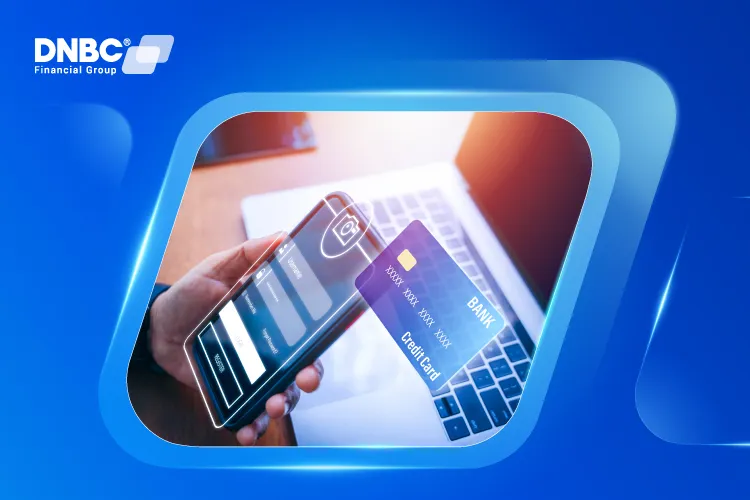
Is It Safe to Share BSB and Account Number?
Here’s the key subtopic: is it safe to share BSB and account number?
The short answer is: yes, but only with trusted parties.
- Safe situations:
- Employers for payroll.
- Government agencies for tax refunds.
- Clients sending payments.
- Risky situations:
- Sharing with strangers online.
- Posting on public forums or social media.
- Giving details to unverified businesses.
Compared to credit card numbers, your BSB and account numbers are less sensitive. Credit card details can be used immediately for purchases. By contrast, your bank details mostly allow deposits, not withdrawals.
Still, caution is key. Just as you wouldn’t post your home address for anyone to see, you shouldn’t casually share your account details either.
Common Myths and Misconceptions
Myth 1: “Anyone can drain your account with just your BSB and account number.”
Reality: Banks require additional authentication like passwords, PINs, and security codes. Your details alone are not enough.
Myth 2: “It’s always unsafe to share your bank details.”
Reality: Everyday transactions like payroll or payments depend on sharing account details. It’s safe when done through trusted, legitimate channels.
Myth 3: “Scammers can’t do anything with just your bank details.”
Reality: While they can’t log in directly, they could attempt fraud by setting up fake direct debits or combining your account info with stolen personal data.
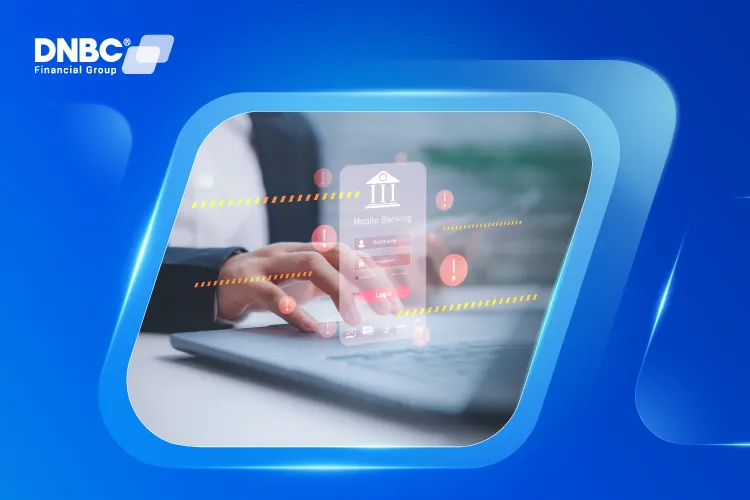
Warning Signs of Fraud to Watch Out For
Even though risks are low, it’s smart to stay alert. Look out for:
- Unfamiliar direct debits: Check your statements for small, unauthorized charges.
- Unexpected test transactions: Fraudsters sometimes send small amounts to verify accounts.
- Phishing attempts: Emails or calls asking you to “confirm” your account details.
If you spot any of these, contact your bank immediately.
How to Protect Yourself If You’ve Shared Your Details
Accidentally gave out your BSB and account number to the wrong person? Don’t panic—take action:
- Monitor your transactions daily or weekly.
- Report suspicious activity to your bank immediately.
- Cancel or block unauthorized debits through your bank’s fraud team.
- Change related credentials like online banking passwords if you suspect wider identity theft.
Banks in Australia follow strict fraud protection policies. In most cases, unauthorized debits can be reversed if reported promptly.
Best Practices for Sharing Your BSB and Account Number
To reduce risks, follow these simple tips:
- Share only with trusted parties (employers, verified businesses).
- Avoid posting your details on social media or public sites.
- Use secure communication channels (encrypted forms, official apps).
- Be wary of anyone pressuring you to share details quickly.
A little vigilance goes a long way in keeping your finances safe.

DNBC’s Role in Payment Security
At DNBC, we understand how important it is to feel confident when sharing financial details. That’s why we follow strict international compliance standards:
- Screening transactions against global sanctions lists.
- Blocking suspicious or high-risk transfers.
- Monitoring for unusual activity.
- Providing clients with secure platforms for international transfers.
Our mission is to make payments simple and safe, so you can focus on what matters most—whether that’s growing your business or managing personal finances.
The Future of Secure Banking Details
As financial technology evolves, banks and payment providers are adding even stronger protections:
- Two-factor authentication (2FA) for online banking.
- Real-time fraud alerts via SMS or app notifications.
- AI-driven monitoring to detect unusual patterns.
These innovations mean that while scammers may try, the odds are increasingly stacked against them.
Conclusion
So, what happens if someone has your BSB and account number?
- In most cases, nothing dangerous—they can send you money, but they can’t easily take it.
- The biggest risk lies in unauthorized debits or identity fraud when details are combined with other personal information.
- The answer to is it safe to share BSB and account number is: yes, as long as you only share with trusted parties and stay alert.
At the end of the day, your BSB and account number are safe to share when necessary—but never forget that your financial security starts with you. And for peace of mind, choose a provider like DNBC, where compliance, transparency, and protection come first.
Your Trusted Partner
In your Digital
Journey
Free 1 - on -1 support
Free account opening fees
No hidden fees

Note: The content in this article is for general informative purposes only. You should conduct your own research or ask for specialist advice before making any financial decisions. All information in this article is current as of the date of publication, and DNBC Financial Group reserves the right to modify, add, or remove any information. We don’t provide any express or implied representations, warranties, or guarantees regarding the accuracy, completeness, or currency of the content within this publication.
Related posts

Important Update: Notice regarding mandatory annual account reviews and compliance fees.
28 February 2026
Difference Between Transit Code and SWIFT Code: Explained Simply
01 October 2025
Swift Code vs Routing Number: What You Really Need to Know
01 October 2025
How to Use a Transit Code for Smooth Transfers
01 October 2025

Sending Money from Australia to New Zealand: A Complete Guide
01 October 2025